
NEWS, EVENTS & BLOG
BLOG
Why I/O Reliability Matters in Rugged Embedded Computers
Press Office, VersaLogic Corporation, 11/04/26
Reliable I/O is critical in harsh environments where shock, vibration, and cable movement can put stress on connections.
Embedded computers are often expected to operate in environments where vibration, shock, and temperature extremes are an everyday occurrence. From uncrewed aerial vehicles (UAVs) and defense systems to industrial equipment and remote monitoring platforms, these applications depend on reliable connections between the computer and its peripherals.
For applications where reliability is critical, environmental testing, sound engineering practices, and proper integration all play a role in keeping embedded systems operating as intended.
How Harsh Environments Affect I/O Connections
In demanding applications, external connections can experience repeated mechanical stress that gradually compromises their reliability. Embedded computers and their connections may be exposed to:
- Shock and vibration: Vehicles, aircraft, drones, and industrial machinery generate continuous vibration and sudden impacts that can loosen cables and connections.
- Temperature extremes: Repeated heating and cooling can place additional stress on connectors, cables, and surrounding materials.
- Frequent handling: Equipment that is regularly installed, serviced, or repositioned may experience additional wear at connection points.
- Limited access: Embedded systems installed inside compact enclosures or deployed in remote locations can be difficult and expensive to service.
When a connection becomes intermittent or disconnects entirely, the result can range from temporary communication loss to a complete system interruption. In mission-critical applications, even a brief interruption can affect data collection, communications, or system control.
PICK ONE
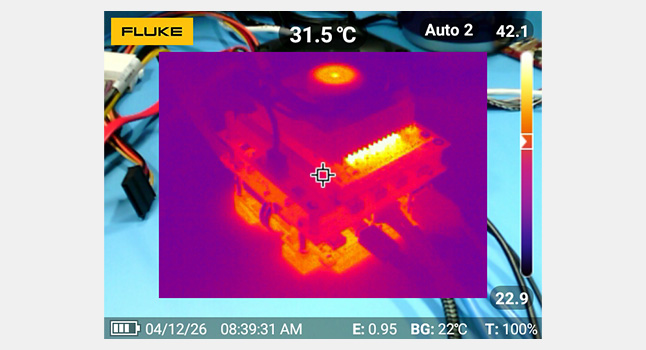
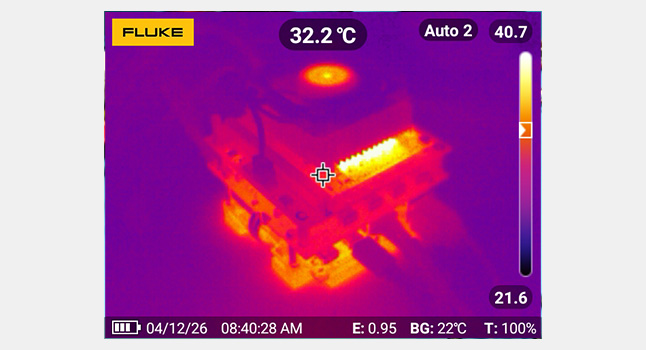
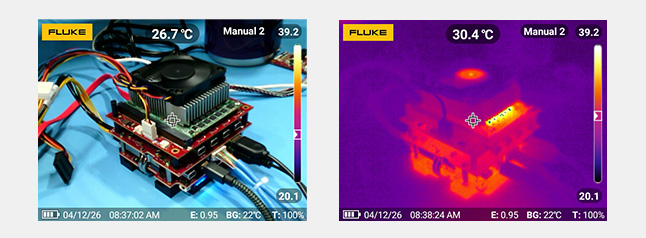
Temperature extremes can affect more than an SBC’s performance.
Thermal expansion and contraction place stress on board components and I/O connections as temperatures fluctuate.
The Hidden Cost of Fragile I/O
The cost of an unreliable connection extends beyond replacing a cable or repairing a connector. Depending on the application, a single failure can trigger a chain of maintenance and operational expenses, such as:
- Unplanned downtime: A disconnected network or peripheral cable can take an otherwise functional embedded computer offline. Diagnosing the problem and restoring operation may require taking equipment out of service.
- Increased maintenance: Intermittent connections can be difficult to troubleshoot. Technicians could spend valuable time inspecting cables, reseating connectors, and testing hardware before identifying the source of the problem.
- Expensive field service: When equipment is installed aboard an aircraft, inside industrial machinery, or at a remote deployment site, accessing a faulty connection may require specialized personnel, transportation, or significant disassembly.
- Reduced system availability: Repeated connection failures can reduce equipment uptime and interfere with scheduled operations. For organizations managing fleets of vehicles or distributed systems, these interruptions can add up quickly.
- Higher total cost of ownership: Hardware replacement is only one part of the equation. Labor, logistics, lost operating time, and system requalification can make an inexpensive component failure disproportionately expensive over the life of a product.
For OEMs designing around long-life embedded systems, reliability should be considered alongside processor performance, memory, operating temperature, and other hardware requirements. Evaluating how the computer will be mounted, connected, and maintained is equally important.
What to Look for in Rugged Embedded Computer I/O
Not all embedded computers are designed for the same operating conditions. When selecting a platform for a demanding environment, engineers should look beyond individual connector features and evaluate the computer’s overall mechanical and environmental performance.
- Verified Shock and Vibration Performance: Connector design is only one part of system ruggedness. The embedded computer should also be engineered and tested for the mechanical stresses it will encounter during service.
Testing to standards such as MIL-STD-202H helps evaluate performance under defined shock and vibration conditions. Engineers should review the applicable test requirements and results to determine whether a computer is appropriate for their application.At VersaLogic, shock and vibration performance is part of the product qualification process. Products that do not pass the required testing are not released as designed; failures identified during testing prompt further engineering evaluation and design changes. - Proper Cable Strain Relief: Secure cables to a rigid structure close to their connection points on the SBC. This reduces the mechanical loads transferred from cable movement and weight to the connector and board during shock and vibration.
- Secure Mounting and Cable Routing: Use appropriate mounting hardware and route cables to minimize movement and stress on connections.
- Industrial Operating Temperature Range: Outdoor, airborne, and industrial applications can expose embedded computers to significant temperature variations. Selecting a platform designed for industrial temperature operating range helps reduce the risk of temperature-related failures across the system.
- Long-Term Product Availability: Reliability also includes the ability to maintain a system over its intended service life. A computer with long-term product availability can help OEMs avoid unnecessary redesigns, replacement-part changes, and costly requalification efforts.
VersaLogic’s Raptor: Rugged Connectivity in a Compact Embedded Computer
VersaLogic’s Raptor (VL-EPU-5530) is designed for applications that require high-performance processing, compact size, and reliable operation in harsh environments.
Measuring just 80 × 95 × 36 mm, Raptor combines Intel 13th Generation processor options with extensive onboard I/O and three M.2 expansion sockets. Its compact form factor makes it suitable for size, weight, and power (SWaP)-constrained applications, including uncrewed systems, defense platforms, and edge computing installations.

Raptor incorporates several features that support dependable operation in demanding environments:
- Industrial temperature operation: Designed to operate from -40°C to +85°C.
- MIL-STD-202H shock and vibration: Tested to support operation under demanding mechanical conditions.
- Up to 64 GB of error-correcting memory: Supports applications that benefit from improved memory reliability.
- Long-term product availability: VersaLogic’s typical 10+ year product lifecycle helps OEMs plan for extended deployments.
Raptor’s connectors are selected and qualified to withstand the mechanical stresses of demanding environments. Combined with its industrial temperature range and compact design, Raptor is built for applications where dependable operation matters.
Designed for Reliability Over the Long Term
Selecting an embedded computer for harsh environments requires looking beyond computing performance alone. Environmental qualification, appropriate connector selection, and sound integration practices all contribute to long-term system reliability. Shock and vibration testing helps demonstrate that hardware can withstand defined mechanical stress.
For OEMs developing systems that must operate reliably in the field, VersaLogic’s Raptor provides a compact embedded computing platform with rugged I/O and the environmental capabilities required by demanding applications.
FAQ
Why are rugged connectors important in harsh environments?
Rugged connectors are designed to withstand the mechanical and environmental stresses associated with demanding applications. Connector ruggedness should be evaluated based on demonstrated performance under the required environmental conditions, including applicable shock and vibration testing, rather than connector design alone.
How does MIL-STD-202H testing help evaluate connector reliability?
MIL-STD-202H provides standardized test methods for electronic components, including methods for evaluating mechanical shock and vibration. Reviewing the applicable test conditions and results helps engineers assess whether hardware is appropriate for the intended environment.
Why is cable strain relief important in rugged embedded systems?
Cable strain relief helps prevent the weight and movement of cable assemblies from placing excessive mechanical loads on connectors and circuit boards. For improved reliability, integrators should add appropriate strain relief close to the connection point to minimize the forces transferred to the connector during shock and vibration. Proper cable routing and secure mounting hardware further help protect the complete assembly in demanding environments.
What makes VersaLogic’s Raptor suitable for harsh environments?
Raptor combines dual 2.5GbE networking, an operating temperature range of -40°C to +85°C, and connectors that pass VersaLogic’s required shock and vibration testing in a compact embedded computer. Proper integration, including strain relief near connection points, helps further improve reliability in the finished system.
Learn more about VersaLogic’s Raptor embedded computer and explore how rugged connectivity can support your next design. Contact VersaLogic to discuss your application’s requirements:
[FORM]